Colorful Drunken Noodles with Crisp Vegetables
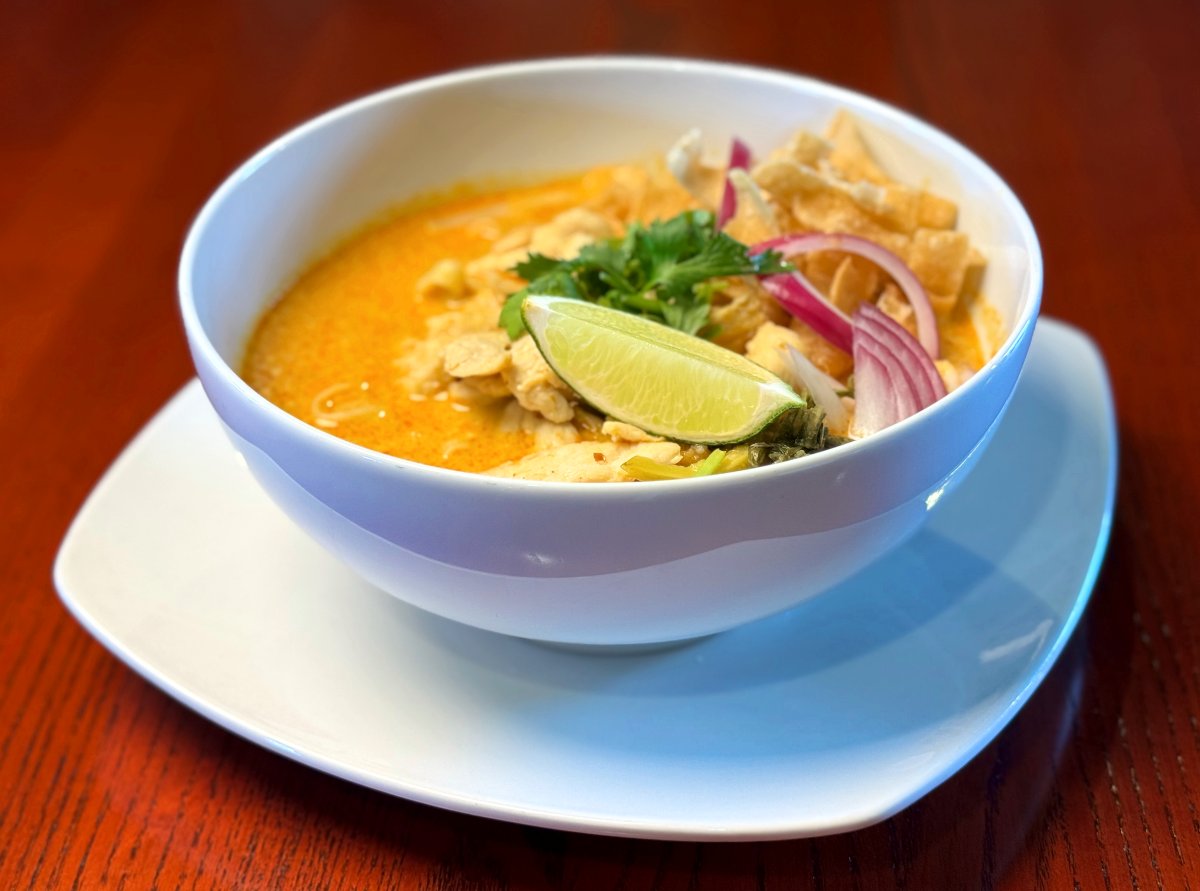
Drunken Noodles are one of those dishes that reveal a cook’s instincts almost immediately. The noodles have to stay supple, not limp. The sauce needs enough backbone to coat every strand without drowning the pan. The vegetables should keep their color and their snap. When the balance lands, the plate feels vivid and alive, rich but not heavy, spicy but still precise. That contrast is what makes a version with crisp vegetables especially satisfying.
This is not a delicate dish in spirit. Drunken Noodles, often associated with Thai-style stir-fried wide rice noodles, are bold and fast-moving. Heat matters. Timing matters more. A pan that is even slightly underpowered can turn the whole thing soft and muddy. Yet when the cooking is handled with confidence, the result looks almost festive: glossy noodles twisted around bright peppers, emerald broccoli, basil leaves just wilted at the edges, perhaps carrots shaved into ribbons or green beans still holding their shape.
The version I return to most often leans hard into that contrast. I want the noodles slick and savory, but I also want vegetables that still taste like themselves. Too many stir-fried noodle dishes treat vegetables as filler. Here, they are part of the point. Their sweetness, water content, and crunch keep the sauce from becoming one-note.
What makes Drunken Noodles different
A lot of noodle stir-fries share the same broad architecture, noodles, aromatics, sauce, vegetables, protein if desired. Drunken Noodles stand apart because they are unapologetically assertive. You expect wide rice noodles, plenty of basil, a savory-salty-sweet sauce, and a level of heat that leaves an impression. The name invites folklore, and there are several stories attached to it, but from a cook’s perspective the more useful question is what the dish should feel like when it hits the table.
It should smell aromatic before you even sit down. The basil should be unmistakable. The noodles should carry char in places, but not taste burnt. The sauce should cling rather than pool. Most importantly, every forkful should change slightly depending on what you pick up, a broad ribbon of noodle, a piece of pepper, a hot slice of chile, a leaf of basil. That shifting bite-to-bite experience is why colorful vegetables belong here.
There is also a practical reason to build the dish this way. Wide rice noodles can become monotonous if the supporting ingredients are timid. Crisp vegetables solve that problem. They break up the softness, lighten the overall texture, and make the plate feel complete without needing excessive meat or extra oil.
The case for keeping the vegetables crisp
Vegetables in a stir-fry are often judged only by whether they are cooked through. That is a low bar. In Drunken Noodles, texture has to be deliberate. Bell peppers should bend slightly but resist the bite. Broccoli should stay green and firm at the stem. Snow peas should remain sweet and almost juicy. Even onions, which soften quickly, should retain a little structure unless you specifically want them melted into the sauce.
Crisp vegetables do more than add texture. They change how the sauce behaves. A pan full of overcooked vegetables leaks moisture, which dilutes seasoning and cools the pan. That creates steaming instead of stir-frying. The noodles turn soft, the sauce turns flat, and the whole dish loses edge. Keeping vegetables relatively crisp protects the intensity that Drunken Noodles need.
Color matters too, and not just for appearance. Bright vegetables often taste brighter. A red bell pepper that has spent forty-five seconds in a hot wok tastes sweet and fresh. The same pepper cooked for six or seven minutes starts to blur into the background. If your goal is a plate that feels lively, color and texture have to survive the pan.
Choosing noodles that can take the heat
Fresh wide rice noodles are ideal when you can get them. They have the chewy elasticity that gives the dish its signature feel. They also absorb sauce well without breaking, provided they are handled gently. In many markets they are sold folded in oil-dusted sheets. Separate them before cooking if possible. If they are cold and stuck together, a brief warm-up, either at room temperature or with a few seconds of gentle steaming, makes them far easier to work with.
Dried wide rice noodles can work, but they require better timing. Soak or boil them only until pliable. If they are fully soft before they enter the wok, they often disintegrate once sauce is added. Slight undercooking is safer. They will finish in the pan.
There is a trap many home cooks fall into with rice noodles: rinsing them excessively after cooking and then letting them sit too long. That combination strips surface starch and encourages clumping. For this dish, you want noodles that are separate enough to toss, but still capable of grabbing sauce. If they look glossy but dry before they hit the wok, a few drops of neutral oil can help.
Building a sauce that tastes layered, not loud
The sauce for Drunken Noodles should be strong because it has to season noodles and vegetables quickly. But strong is not the same as harsh. Good versions carry salinity, sweetness, umami, and heat in a way that feels integrated.
A practical base often includes soy sauce, a dark sweet soy or a touch of brown sugar, oyster sauce if you use it, fish sauce for depth, and a little water to help the sauce distribute. Some cooks add white pepper. Some add a pinch of sugar even when sweet soy is involved, because sweetness in a stir-fry is not just about flavor, it helps round the sharp edges of salt and chile. The exact proportions vary by brand. Fish sauce from one bottle can be nearly twice as aggressive as another. Soy sauce can range from mild to deeply salty. That is why experienced cooks mix the sauce first and taste it before it goes anywhere near the pan.
If the sauce tastes a little too intense straight from the bowl, that is often correct. It will be diluted by noodles and vegetables. If it tastes merely pleasant on its own, it may disappear in the finished dish.
The vegetable mix that works best
This is where personality enters the recipe. The best vegetables for Drunken Noodles are those that can survive very high heat without collapsing instantly. Bell peppers are the obvious choice, especially red, yellow, and orange together for contrast. Broccoli is excellent if cut small enough to cook quickly. Green beans, snow peas, baby corn, carrots, onions, and even mushrooms can fit, though mushrooms change the moisture balance and should be used with a lighter hand.
A strong combination usually includes one sweet vegetable, one green vegetable, and one vegetable with stronger structure. For example, red pepper, Chinese broccoli, and carrot make a balanced trio. So do onion, snap peas, and broccoli. The point is not authenticity theater. The point is bite, color, and how the vegetables play against the noodles.
If I am cooking for a mixed group, I often favor bell peppers, broccoli, and carrots because they stay bright and appeal to almost everyone. If I am cooking for people who like a little bitterness in their greens, I reach for Chinese broccoli. Its stems remain crisp, and its leaves catch the sauce beautifully.
A working ingredient set
Use this as a practical baseline rather than a rigid formula. It serves about four as a main course.
- 12 to 14 ounces wide rice noodles, fresh or properly softened dried
- 4 to 5 cups mixed vegetables, such as bell peppers, broccoli, carrots, onions, or green beans
- 3 cloves garlic, sliced, plus 2 to 4 fresh chiles, adjusted to taste
- 1 packed cup Thai basil leaves
- About 6 tablespoons combined sauce ingredients, typically soy sauce, fish sauce, oyster sauce, sweet soy or sugar, and a splash of water
You can add chicken, shrimp, tofu, or keep it entirely vegetable-forward. If you use protein, cook it in a separate quick pass or at the start of the stir-fry and remove it before the vegetables go in. Crowding the pan is the fastest route to soggy noodles.
Why mise en place matters more here than in slower dishes
This dish does not forgive hesitation. Once the garlic hits the oil, the rest happens in minutes. That is why prep is not some fussy restaurant habit, it is the difference between control and chaos.
Slice vegetables with cooking speed in mind, not with visual perfection as the only goal. Broccoli florets should be small enough to sear and steam in the same minute. Carrots should be thin, preferably on a diagonal or in ribbons. Peppers should be cut into strips that are substantial enough to hold shape but narrow enough to soften at the edges quickly. Basil should be picked and ready. Sauce should be mixed. Noodles should be loosened before the pan is hot.
This is also where restraint pays off. A home burner rarely has the brute force of a commercial wok station. If you try to cook two pounds of vegetables and a mound of noodles at once, the pan temperature drops and the ingredients stew. It is better to cook in batches and combine at the end than to force too much volume into one pan.
The actual cooking, fast and focused
The technique matters more than any exact ingredient list. The sequence below is the one I trust most in a home kitchen.
- Heat the wok or largest skillet until very hot, then add a small amount of neutral oil.
- Add garlic and chiles, stir briefly until fragrant, then add any protein if using and cook just until nearly done.
- Add the vegetables in order of density, starting with the firmest, and toss over high heat until crisp-tender.
- Add noodles and sauce together, lifting and folding rather than stirring aggressively, so the noodles absorb the sauce without tearing.
- Turn off the heat, fold in basil, and serve immediately while the vegetables still have snap.
That fourth step is where judgment matters. If the noodles look dry after twenty seconds, add a tablespoon of water around the edge of the pan, not directly onto the noodles. The steam helps the sauce spread and softens any stubborn sections. If the pan looks watery, keep tossing over high heat for another thirty seconds and resist the urge to add more sauce.
Common mistakes that flatten the dish
The first is using a pan that is not hot enough. Many cooks compensate by cooking longer, which ruins the vegetables and muddies the sauce. Better to preheat longer and cook smaller batches.
The second is over-saucing. Drunken Noodles should be glossy, not soupy. Too much liquid prevents caramelization and makes the vegetables slump. If you have ever ended up with noodles that seem slick but somehow bland, excess sauce may be the reason. It sounds counterintuitive, but a thinner coating can taste more concentrated when it is properly reduced.
The third is adding basil too early. Basil is not spinach. It bruises, blackens, and loses its perfume under extended heat. Fold it in at the very end. Let residual heat do the work.
The fourth is treating all vegetables as equal. Onions and peppers can go in early. Snow peas and basil cannot. Broccoli benefits from a quick splash of water to help the stems soften without overcooking the florets. Mushrooms need space or they shed liquid. These are small distinctions, but they determine whether the final dish tastes precise or sloppy.
How to handle heat without overwhelming the plate
A good plate of Drunken Noodles should have a noticeable kick, but there is a wide gap between lively and punishing. Fresh bird’s eye chiles give sharp, immediate heat. Crushed dried chile often brings a slower, rounder burn. Chili paste can work, though it may change the flavor profile depending on what else is in it.
When cooking for others, I usually season the pan to a moderate level and serve extra chopped chile or chili vinegar at the table. That keeps the dish balanced while allowing flexibility. Once extreme heat goes into the wok, it is there for everyone. And if the vegetables are part of the attraction, you do not want the palate so overwhelmed that all their sweetness and crunch vanish behind fire.
There is another reason to be careful. Capsaicin amplifies the sense of salt and reduces nuance. A dish that is painfully hot often gets described as “bold,” but more often it is simply less detailed. Drunken Noodles are at their best when you can still taste basil, garlic, and each vegetable distinctly.
Protein choices, and when to skip them
Chicken works well because it stays neutral and lets the sauce lead. Thinly sliced thigh meat is especially forgiving and remains juicy under high heat. Shrimp cooks quickly and pairs nicely with basil, though it can overcook in seconds if the pan is crowded. Tofu is excellent if pressed well and seared first, especially in a vegetable-heavy version.
That said, a colorful bowl of Drunken Noodles does not need meat to feel complete. With enough vegetables and a sauce that has depth, the dish can stand on its own. In fact, some of the best home versions I have eaten were almost entirely noodle-and-vegetable based, with basil carrying the aromatic weight and the vegetables providing all the contrast the plate needed.
If you omit protein, do not think of it as subtraction. Think of it as creating space for the vegetables to matter more.
Timing the vegetables by feel, not by stopwatch
Recipes often tell you to cook peppers for one minute, broccoli for two, onions for thirty seconds. Those numbers can guide you, but they are not reliable across pans, burners, and ingredient sizes. A better approach is to learn the signs.
Peppers are ready when their raw smell fades and their color brightens. Broccoli is ready when the stems deepen slightly in color and the florets look vivid, not olive. Carrots should flex but still snap. Onions should turn translucent at the edges while keeping some body in the center. Once you learn those visual cues, your stir-fries improve quickly because you stop chasing arbitrary timing.
This matters especially in Drunken Noodles because the noodles continue to soften as they mingle with sauce. If the vegetables are already fully soft before the noodles go in, the final dish has nowhere to go but mushy.
Serving and eating while everything is still alive
This is a dish that waits for no one. It should go from pan to plate to table as fast as possible. The basil aroma fades, the noodles tighten as they cool, and the vegetables lose their sparkle. If you are cooking for guests, set the table first and call people over before the final toss.
A wedge of lime is not traditional in every version, but I sometimes serve one on the side, especially if the vegetables are particularly sweet. A squeeze can sharpen the whole bowl. Use it sparingly, though. Too much acid shifts the dish away from its intended profile and can make the sauce feel thinner.
Leftovers are fine, but they are not the main event. Reheated rice noodles tend to break or harden depending on how they are warmed, and crisp vegetables become less crisp by definition. If you do reheat, use a hot skillet with a splash of water rather than a microwave. It will never be quite the same, but it will be closer.
What experienced cooks notice after a few rounds
After making Drunken Noodles several times, most people start to see the same pattern. The dish improves not because they find a secret ingredient, but because they learn to manage moisture and movement. They prep more carefully. They stop overfilling the pan. They trust high heat. They season the sauce with more intention. Most of all, they stop cooking the vegetables into submission.
That is the real advantage of a colorful version with crisp vegetables. It teaches discipline. You cannot fake texture. If the dish is rushed in the wrong way, the result tells on you immediately. But if it is cooked with speed and attention, it rewards you with a plate that looks striking and tastes even better.
There is a special pleasure in serving noodles that are rich and glossy beside vegetables that still crackle faintly when bitten. It feels generous without being heavy. It looks abundant without becoming chaotic. And it turns Drunken Noodles from a one-note comfort dish into something more complete, a meal with force, freshness, and structure all in the same bowl.
That is why this version earns repeat appearances in a serious home kitchen. It satisfies the craving for savory heat https://martinlnoq381.clearminster.com/posts/shrimp-drunken-noodles-a-seafood-twist-on-a-classic and chewy noodles, but it also offers color, contrast, and enough freshness to keep you going back for another bite. When the vegetables stay crisp and the basil lands at the last second, the dish tastes fully awake.
Nakhon Luang Thai Kitchen
Address: 805 Village Center Dr, Colorado Springs, CO 80919
Phone number: +17195315175
FAQ About Drunken Noodles
What makes it drunken noodles?
Drunken noodles, or Pad Kee Mao, get their name from the Thai word khi mao (meaning "drunkard"). They contain no alcohol. The name comes from the idea that the dish is a popular late-night meal to cure a hangover or a great food to eat with a cold beer.
What is the difference between pad see ew and drunken noodles?
While both Pad See Ew and Drunken Noodles use the same wide rice noodles, Pad See Ew is a mild, sweet-savory dish made with dark soy sauce and Chinese broccoli, whereas Drunken Noodles (Pad Kee Mao) are fiery, garlicky, and herbaceous with fresh chilies and Thai basil.
What are traditional drunken noodles?
Traditional drunken noodles, known as Pad Kee Mao in Thai, are a fiery, savory street food stir-fry made with wide flat rice noodles, fresh garlic, lots of hot chilies, meat or tofu, and fragrant holy basil. Despite the name, they contain no alcohol; the dish is traditionally eaten late at night or as a hangover cure because the intense spice helps clear the head.