How a Pie Shop Can Make Any Celebration Better
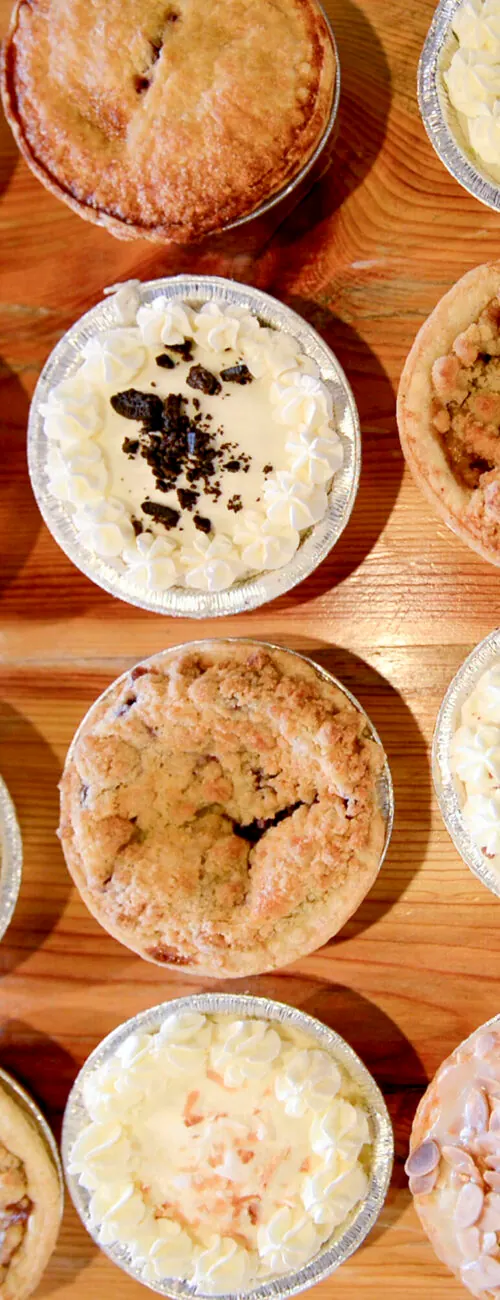


There is a reason people remember the dessert table long after they forget the chair covers, the signature cocktail, or the color of the napkins. Sweet food carries emotion unusually well. It signals generosity, comfort, and a certain confidence from the host. When that sweet food comes from a good pie shop, it does something cake often does not. It feels warm, specific, and welcoming. It turns a polished event into a personal one.
That may sound like a small distinction, but in event planning, small distinctions are the ones guests notice. A pie says someone thought beyond the default. It suggests care without trying too hard. It can be elegant, nostalgic, rustic, seasonal, or formal depending on how it is served. Few desserts are that flexible.
A well-run pie shop also solves practical problems that hosts run into all the time. You need a dessert that travels well, serves cleanly, satisfies different age groups, and works for both a small family dinner and a 150-person reception. Pie handles more of those demands than people expect. Once you start looking at celebrations through that lens, the appeal becomes obvious.
Pie changes the mood of a gathering
Cake has its place, especially when tradition demands it. A wedding with a towering tiered cake makes visual sense. A child blowing out candles on a frosted round still has charm. But pie creates a different kind of atmosphere. It softens the room.
At birthday dinners, retirement parties, rehearsal dinners, and holiday open houses, pie often feels less performative and more social. Guests do not hover around a dessert they are unsure how to cut or eat. They recognize it immediately, choose the flavor that suits them, and settle in. That ease matters. Celebrations work best when people relax into them rather than admire them from a distance.
I have seen this play out at events where the host worried that pie might seem too casual. In practice, it usually has the opposite effect. When desserts are approachable, guests engage more freely. They go back for coffee. They stay longer at the table. They talk about the apple filling, compare notes on the pecan, and ask where the peach pie came from. Dessert becomes part of the event rather than a decorative finale no one touches.
That social quality is one reason a pie shop can improve almost any celebration. Good pie invites conversation in a way many desserts do not.
It feels personal without becoming fussy
The strongest events have a point of view. Not a theme in the heavy-handed sense, but a sense that choices were made with purpose. Pie helps a host show personality without tipping into excess.
A local pie shop can reflect family tradition, regional flavor, or the season itself. Maybe the host grew up eating sour cherry pie every summer and wants that memory at an anniversary dinner. Maybe a couple wants mini key lime pies at a coastal wedding because the venue sits three blocks from the water. Maybe a Thanksgiving host orders a mix of pumpkin, apple crumb, and chocolate cream because that combination tells guests exactly what kind of evening they are about to have: generous, familiar, and not overly formal.
That sort of personalization tends to land well because it is edible and specific. Guests may not notice custom monograms or imported linens unless someone points them out. They notice dessert immediately.
A good pie shop can guide those choices better than a general bakery. Staff who work with pie every day understand what travels well, what slices cleanly, what holds overnight refrigeration, and what flavor combinations make sense in the same spread. They can tell you when a meringue pie is beautiful but delicate, or when a lattice-topped fruit pie will stand up better to transport and room temperature service. That practical advice is part of the value.
The range is wider than most hosts expect
Many people hear “pie” and think only of holiday staples. Apple. Pumpkin. Pecan. Those classics still matter, but a serious pie shop usually works far beyond that short list. Cream pies, chess pies, custard pies, seasonal fruit pies, slab pies, hand pies, galettes, tart-style pies, savory pies for daytime events, and miniature individual portions all open the category in useful ways.
That matters because celebrations vary. A baby shower in early spring calls for a different dessert mood than a corporate milestone dinner in late fall. A summer graduation party benefits from bright fruit and citrus. A winter engagement party can support deeper, richer flavors like bourbon pecan or dark chocolate silk.
A pie shop that rotates with the season gives hosts a real planning advantage. Seasonal fruit tastes better, often costs less, and creates a menu that feels anchored in the moment. Peach in August, cranberry in November, strawberry-rhubarb in late spring, and pear in early autumn each bring a built-in sense of timing. Guests may not articulate that seasonal fit out loud, but they feel it.
When the pie selection is well chosen, dessert can quietly reinforce the whole event. That is one of the most underused tools in hosting.
Pie suits more occasions than people realize
Holiday meals are the obvious fit, but pie earns its keep at events that are not traditionally pie-centered. Retirement parties are a good example. Many take place in the afternoon or early evening, where a full plated dessert feels too formal and a sheet cake feels anonymous. A dessert table built around a few pies, coffee, and perhaps a simple bowl of whipped cream lands in the sweet spot. It reads celebratory without demanding ceremony.
The same logic applies to bridal showers and rehearsal dinners. A pie shop can produce desserts that feel polished enough for the occasion while still avoiding the stiffness that sometimes sneaks into pre-wedding events. Mini pies are especially effective here. Guests can sample more than one flavor, and the host avoids the clutter and waste that come with oversized plated desserts.
Corporate events also benefit, particularly when the goal is appreciation rather than spectacle. Bringing in pie for an employee recognition lunch or company anniversary sends a very different message than ordering generic supermarket cake. It feels more thoughtful, more local, and often more memorable. A good pie shop can package desserts cleanly and present them in a way that still fits a professional setting.
Then there are the gatherings that are emotionally complicated: memorial receptions, hospital homecomings, moving-away dinners, adoption celebrations, and welcome-home meals. In those moments, pie often works better than flashier desserts because it is comforting without looking somber. It acknowledges that people are there to be together first, and to celebrate second.
A pie shop can simplify hosting logistics
Dessert is one of the last decisions many hosts make, yet it affects timing, storage, serving, and cleanup. That is where a pie shop often proves its value most clearly.
Cake can be surprisingly unforgiving. Tall cakes need stable transport, controlled temperature, careful cutting, and a person who knows how to portion cleanly. Elaborate pastries have their own fragility. Ice cream desserts introduce obvious issues unless service is tightly coordinated.
Pie tends to be more forgiving. Most fruit pies travel well. Many can be picked up a day in advance. They stack more sensibly in refrigeration than cake boxes do. Slices are easy to portion once the shop gives serving guidance. Leftovers store without drama, which matters more than hosts expect. After a big celebration, guests are delighted to take home a wedge of pie for breakfast the next morning.
That last detail may sound trivial, but it is not. The best event food has a second life. A half-eaten fondant cake often becomes a burden. A leftover apple pie becomes tomorrow’s treat.
There is also less pressure around presentation. A pie does not need theatrical cutting to justify itself. It can be dressed up on cake stands, served on china with fresh cream, or presented simply in its own tin. It holds dignity either way.
The economics are often better than expected
Hosts sometimes assume pie is a novelty choice that will cost more than standard desserts. In many cases, the opposite is true. Prices vary by region and ingredient quality, but pie often delivers stronger value per serving than custom cake, especially when elaborate decorating is part of the comparison.
A pie shop’s pricing tends to reflect ingredients and labor rather than sugar sculpture. If your priority is flavor, generosity, and guest satisfaction, that can be a better allocation of the budget. Instead of spending heavily on one large visual centerpiece, you can offer several distinct pies that give guests actual choice.
That said, there are trade-offs, and they are worth stating plainly. Premium pies with fresh seasonal fruit, real butter crusts, nuts, chocolate, or hand-finished toppings are not cheap. Nor should they be. A good pie shop is doing skilled work, and the difference shows in both flavor and texture. The crust alone separates a professional pie from a forgettable one. If the crust is tough, greasy, underbaked, or bland, the whole dessert falls apart.
Hosts should also think in servings rather than sticker price. A pie that looks expensive at pickup may still represent better value if nearly every slice gets eaten, guests remember it, and you avoid the waste common with other desserts. In real event math, consumption matters.
Variety solves the problem of mixed guest preferences
One dessert rarely pleases everybody. That is part of why pie works so well in celebration settings. Instead of forcing one choice onto every guest, the host can create a small range.
A smart pie assortment typically balances fruit, cream, and nut or custard. That covers most palates without becoming excessive. For a group of 20 to 30 guests, three to five pies is often enough, depending on whether dessert is the main event or one course among many. For larger gatherings, a pie shop can usually estimate counts more accurately than a host can, especially if children are involved or if there will be other sweets on offer.
Dietary needs deserve attention too. Pie is not automatically inclusive, but a thoughtful shop can help. Some can offer gluten-conscious options, nut-free choices prepared with proper precautions, or pies with lower sweetness profiles for older guests who prefer more restrained desserts. The important thing is to ask early and ask specifically. Assumptions are where hosts get into trouble.
One detail experienced hosts learn quickly is that not every flavor should appear at every event. Chocolate cream pie sounds universally safe, but on a hot outdoor day it can become difficult to manage. A fresh berry pie is beautiful, but in transport it may require gentler handling than people expect. Pecan pie is beloved, but not everyone wants such a rich slice after a heavy dinner. A pie shop worth using will talk through those trade-offs honestly instead of pushing whatever is easiest to sell.
Presentation matters, but less than quality
There is an ongoing temptation in event planning to prioritize what photographs well over what guests will actually enjoy. Pie resists that impulse in a useful way. It can be stunning, especially with burnished crusts, sugared edges, braided latticework, or glossy fruit, but its appeal is rooted in substance rather than spectacle.
That makes it easy to style without overworking it. On a dessert table, pies pair well with linen runners, simple floral arrangements, cake stands of varying height, and handwritten flavor cards. For more formal events, clean white plates and a restrained garnish can elevate the experience. For casual gatherings, placing whole pies on wooden boards and serving them warm with vanilla ice cream can feel just right.
What matters more than visual extras is condition. A beautiful pie that has sat too long in a warm room, gone soggy at the base, or lost its structure in transport will disappoint immediately. A less elaborate pie with a crisp crust and balanced filling will not.
That is another quiet benefit of working with a dedicated pie shop. They know how the product behaves after pickup. They can tell you which pies should be served chilled, which can sit out comfortably for an hour, and which deserve a quick reheat before service. Those operational details matter more than garnish.
Why pie is especially strong for seasonal celebrations
No dessert tracks the calendar quite like pie. It captures seasonality in a direct, almost instinctive way. People expect certain flavors at certain times of year, and that expectation can work to a host’s advantage.
In autumn, pie is almost effortless. Apple, pumpkin, sweet potato, pear, and pecan all feel right. Winter opens the door to chocolate silk, chess pie, citrus custards, and richer spice profiles. Spring favors strawberry-rhubarb, lemon, coconut cream, and lighter fruit combinations. Summer can lean into peach, blueberry, cherry, and key lime.
This seasonal adaptability is not just about taste. It affects the emotional register of the event. A citrus pie at a spring luncheon feels fresh and alert. A warm apple pie at a late-October gathering feels grounding and generous. The dessert contributes to the atmosphere without anyone having to announce it.
For hosts planning annual traditions, that rhythm becomes especially powerful. Guests start to associate a certain pie with a certain gathering. That is how celebrations gain identity over time.
Working with the right pie shop
Not every pie shop is equal, and not every excellent neighborhood pie maker is equipped for events. If dessert will carry a meaningful part of your celebration, choose carefully.
The best shops ask practical questions. How many guests are coming? Will the pies be served after a full meal or at an open house? Indoor or outdoor event? Pickup or delivery? How much refrigeration is available? Do you need disposable pie servers, boxes for leftovers, or pre-slicing guidance? A shop that handles these details well is usually one that has done real event work.
A few signs of a reliable partner stand out:
- They discuss serving counts in realistic terms, not optimistic ones.
- They are clear about pickup windows, storage instructions, and shelf life.
- They explain which pies are best for travel and which are more delicate.
- They welcome flavor questions and make recommendations based on the event, not just the menu.
- They set expectations early if customization, large orders, or holiday demand require advance notice.
That sort of competence reduces stress. Hosts often underestimate how valuable that is until the week of the event, when every decision suddenly matters at once.
Pie leaves room for generosity
One of the most appealing things about serving pie at a celebration is that it naturally encourages abundance. Hosts can offer multiple flavors, second slices, or a take-home portion without the whole event feeling extravagant or showy. Pie communicates hospitality in a very grounded way.
People also tend to have stronger personal associations with pie than with many other desserts. One guest connects cherry pie with a grandparent. Another remembers coconut cream from childhood birthdays. Someone else lights up at lemon meringue because it almost never appears at catered events. Those memories are not incidental. They are part of what turns a meal into an occasion.
A pie shop can help create that emotional resonance while handling the hard part, which is execution. The host gets credit for thoughtfulness. The guests get dessert worth remembering. The event gets a warmer center.
That is ultimately why pie improves celebrations. It does not just feed people. It steadies the tone, broadens the options, simplifies service, and gives the gathering a more human scale. In a culture that often pushes hosts toward bigger, shinier, and more elaborate, pie offers something smarter. It offers pleasure with judgment.
When the crust is flaky, the filling tastes like actual fruit or real custard, and the slices disappear faster than expected, the case is https://pastelink.net/nrxi50jy easy to make. A good pie shop is not merely a place to buy dessert. It is one of the simplest ways to make a celebration feel more generous, more memorable, and more alive.
3.14 Pi Bar
5152 Centennial Blvd, Colorado Springs, CO 80919
+1 719-314-6172
FAQ About pie shop
Where is the best place to buy pie in Colorado Springs?
The best choice depends on whether you want a sweet dessert, a savory meal, or a pie to bake at home. 3.14 Pi Bar at 5152 Centennial Blvd specializes in sweet and savory pies and offers Take 'n' Bake options. Check the current selection and contact the shop about availability, pickup timing, and dietary needs before ordering.
Who makes the best pot pies in Colorado Springs, CO?
Preferences vary by filling, crust, and portion size. 3.14 Pi Bar offers hearty savory pot pies alongside its sweet pies. Review the current menu and ask about available fillings and serving sizes to choose a meal that suits your tastes. Specific varieties may change.
Who has the best apple pie in Colorado Springs?
Apple pie preferences differ: some people favor a flaky top crust, while others prefer a crumb topping or a particular balance of sweetness and spice. 3.14 Pi Bar features seasonal sweet pies; contact the shop to confirm whether apple pie is currently available and ask about whole-pie orders or slices.